







Remaining Resilient in a Time of Crisis: Black LGBTQIA+ Health Disparities

Faith Daniel
Clinically reviewed by Dr. LaNail R. Plummer | June 15, 20237 min read
Holding on to Hope
When I reflect on the lives of Black LGBTQIA+ identifying women and gender-expansive pioneers who inspire me, Audre Lorde, Byllye Avery, Marsha P. Johnson, and Monica Simpson come to mind. I feel hope for a better future.
I find myself clinging to that hope often in a time when LGBTQIA+ rights, especially trans rights, remain under attack. More than 1.2 million people identify as Black and LGBT in the United States. Yet we still live in a world with compounding anti-blackness and homophobia. This makes it even more challenging for Black LGBTQIA+ people to navigate society.
Anti-LGBTQIA+ Legislation and Healthcare Access
According to the American Civil Liberties Union (ACLU), since the start of 2023, lawmakers have introduced approximately 491 anti-LGBTQIA+ bills, with about 130 specific to healthcare*. These include bills attempting to ban gender-affirming care for trans people, restrict funding to gender-affirming care, or block insurance coverage of healthcare for transgender people.
For instance, among many bills, Florida introduced the Extreme Gender Affirming Care Ban (SB 254). This bill “would inflict criminal penalties (including felony penalties) on providers who give gender-affirming care; it would take licenses away from those providers; and it would prohibit Medicaid from covering gender-affirming care for transgender youth or adults.”
In the same vein, lawmakers introduced the License to Discriminate in Healthcare (SB 1580) bill. This bill would “allow healthcare providers and insurers to deny a patient care on the basis of religious, moral, or ethical belief.”
These inhumane bills came at a time when the Catholic Health System’s governing body, the US Conference of Catholic Bishops Committee on Doctrine, issued a statement against offering gender-affirming care in their facilities. This is extremely alarming because Catholic health systems operate 4 of the 10 largest health systems in the United States.
The sheer discrimination shaping health systems and anti-LGBTQIA+ legislation has created an increasingly hostile environment for LGBTQIA+ folks. This is especially true for trans and gender-expansive folks who need access to life-saving healthcare. At times, it can feel apocalyptic to constantly fight for their human right to healthcare when all forces seem against it. Still, we must prevail.
The Impact on Black LGBTQIA+ Health
This social and political climate makes prioritizing health and navigating the health system even more burdensome for Black LGBTQIA+ folks. As a result, Black LGBTQIA+ folks face disproportionately poor health outcomes and barriers to necessary healthcare.
According to a recent report by the Trevor Project, 60% of young Black LGBTQIA+ respondents who wanted mental health care could not get it. They cited affordability, concerns about parental permission, lack of LGBTQIA+ competent providers, and previous negative experiences with providers. More than 44% of Black LGBTQIA+ youth respondents reported suicide ideation, major depression, and generalized anxiety.
For Black LGBTQIA+ adults, a 2021 report by the UCLA School of Law Williams Institute examined LGBTQIA+ well-being at the intersection of race. The report found that “overall Black LGBT adults reported being somewhat worried that their sexual orientation or gender identity will affect the quality of health care they received.”
Additionally, the report found that Black LGBTQIA+ adults are more likely to receive diagnoses for many serious health conditions. These include depression, asthma, heart attack, and cancer compared to Black non-LGBTQIA+ adults. For instance, “over one-quarter (26%) of Black LGBT adults have been diagnosed with depression compared to 15% of Black non-LGBT adults.”
Black Queer People Deserve Better
It will never be easy to learn that Black LGBTQIA+ folks have poorer health outcomes. With every statistic and data point, there are lives attached, and my heart aches.
The Black LGBTQIA+ community deserves to live in a world where we are celebrated for our intersecting identities of Blackness and Queerness. We deserve healthcare teams that understand our unique experiences. We also deserve strong support networks that care about and prioritize our wellbeing.
In a world rife with systemic homophobia and transphobia, LGBTQIA+ people are often erased, ignored, or continuously subjected to harm. It can be difficult to remain resilient and envision a future of liberation. But we must keep hope alive. Black Queer people exist, and we are unapologetic.
So how does one stay positive and resilient in a time that feels like Black LGBTQIA+ lives are under attack? Here are some tips that may help:
- Remember the progress we’ve made – Although the road ahead is challenging we have made strides in fighting for LGBTQIA+ liberation in the United States. There is a rich history of queer activism in this country and we can draw strength from the work others have done to get us to this point. 1969 marks the year of the Stonewall Uprising when LGBTQIA+ activists fought back against police & state brutality, harassment and discrimination. In 2009, the Hate Crimes Prevention Act was signed into federal law to protect LGBTQIA+ people from violence or hate on the basis of sexual orientation. Shortly after, the Don’t Ask Don’t Tell bill was passed allowing queer people to openly serve in the military. In 2015, the monumental Obergefell v. Hodges supreme court decision made same-sex marriage legal in all 50 states. Furthermore, in 2022, same sex marriage and interracial marriage were codified into law. This is only a tiny snippet of LGBTQIA+ activism and the fight for liberation and equitable policies but we have made significant progress in our lifetimes. We can keep going!
- Exercise your right to access the healthcare you need – Despite all of the anti-LGBTQIA+ legislation being proposed and passed, you still have a right to receive the care you need. On a federal level, section 1557 also known as the Health Care Rights Law, sets the precedent that “discrimination in health care based on factors like race, ethnicity, language, age, disability, and sex – including pregnancy, sexual orientation, and gender identity is prohibited.” It is also promising to know that there are a growing number of states introducing bills to protect trans health care, like the New York State Trans Safe Haven bill that will protect access to gender-affirming care. There are many providers that are passionate and equipped to provide LGBTQIA+ health care despite the many barriers being introduced in each state. Below are some resources that can help with finding a provider.
https://www.outcarehealth.org/
https://lgbtqhealthcaredirectory.org/
- Tap into organizations doing the work- It can sometimes feel isolating once we learn about the injustices in the world. We may also feel rage or a desire to make change. There are many that feel your passion and are ready to take action to protect LGBTQIA+ folks. Tapping into a local and/or national organization doing the work already by joining their listserv, attending upcoming events, or donating to the organization will help you stay informed and channel your emotions into helping the cause. Below are a few organizations fighting for Black LGBTQIA+ liberation and are always looking for passionate individuals to volunteer:
The National Black Justice Collective
Search Engine for LGBTQIA+ Resources
- Be yourself and join community- Having people around you that love and embrace all parts of your identity makes all the difference. Health in Her HUE has a community forum dedicated to LGBTQIA+ health where folks can ask for advice, pose questions and form a community with like-minded individuals here.
Above all, the most important thing we can do for the cause is to take care of our physical, mental, and emotional health and well-being. In addition to limiting access to care, these legislative and political attacks against the LGBTQIA+ community seek to curtail our freedom to live our fullest, happiest, most liberated lives. Fighting for our health is a form of resistance and we will prevail.
*This number continues to grow. For the most up-to-date number, please visit the ACLU’s anti-LGBTQIA+ legislation tracking page.
Author
Faith Daniel
Faith Daniel is a Black Lesbian public health professional, activist, and the Content and Community Manager at Health in Her Hue. Born and raised in the Bronx with years of experience working in healthcare, Faith obtained her Master of Public Health degree from Columbia University and will be pursuing her Doctor of Public Health degree from New York University. She is passionate about reproductive justice, health equity, and addressing health disparities.
Clinical Reviewers
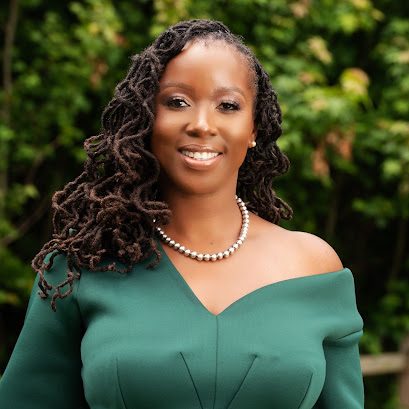
Dr. LaNail R. Plummer
As a leading professional in the mental health field, Dr. LaNail R. Plummer and her team of 30 Black/women of color, are committed to improving the lifestyles of others through the aspects of mental health and identity development. A United States Military Veteran and the CEO of Onyx Therapy Group -- an organization she founded in 2013 -- Dr. Plummer has over 17 years of experience working with a multitude of clients, and specializing in the care of young women; the Black community; and members of the LGBTQ+ community.
More Content


LGBTQIA+ Health
Misinformation and homophobia in the time of monkeypox (MPV)
We’re calling out the disproportionate impact of...