







Myths vs. Facts: What Endometriosis Is (and What It Isn’t)

Content Team
March 8, 20265 min read
Myths vs. Facts: What Endometriosis Is (and What It Isn’t)
There is often a moment when curiosity replaces confusion.
After months or years of adjusting to symptoms, people begin searching for explanations. They read articles, compare experiences, and notice patterns that sound familiar.
For many, one word appears repeatedly: endometriosis.
Yet even after encountering the term, clarity rarely comes immediately. The condition is widely discussed but often misunderstood, surrounded by half-truths, outdated assumptions, and simplified explanations that leave people with more questions than answers.
Understanding what endometriosis actually is—and what it is not—can help people move from uncertainty toward more informed conversations with clinicians.
Start from the beginning:
This article builds on the Part 2 pillar story, which explores why reproductive health conditions are often misunderstood or delayed.
→ Christina Searches for Answers: Why Endometriosis Is So Often Missed
Why Misconceptions Around Endometriosis Persist
Endometriosis is not rare, yet accurate information about it is still unevenly distributed.
Symptoms vary widely. Diagnostic tools are imperfect. Cultural narratives about menstrual pain often normalize symptoms that disrupt daily life.
These factors create an environment where misconceptions can circulate easily, especially for people searching for answers without clear medical guidance.
Separating myths from facts does not provide a diagnosis. What it can provide is context—a clearer understanding of what questions might be worth asking next.
Myth: Endometriosis Is Just Painful Periods
Many people assume endometriosis simply means having severe menstrual cramps.
Fact:
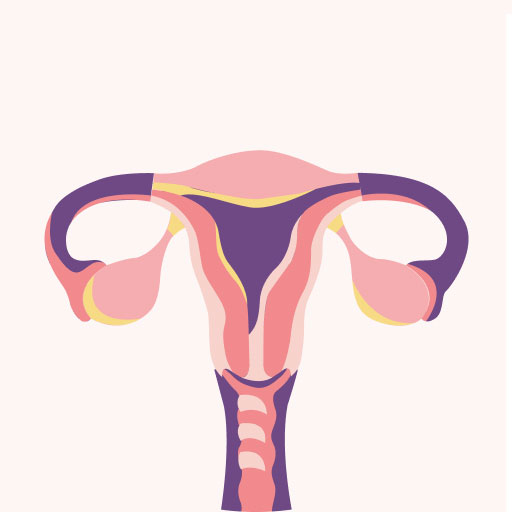
Endometriosis is a condition in which tissue similar to the lining of the uterus grows outside the uterus, potentially affecting organs such as the ovaries, fallopian tubes, pelvic lining, and occasionally other areas of the body.
Pain is common, but it can show up in many forms, including:
- Chronic pelvic pain
- Severe menstrual cramps
- Pain during or after sex
- Digestive symptoms such as bloating or nausea
- Fatigue that interferes with daily life
Some people experience intense symptoms. Others experience subtle but persistent disruptions that gradually affect routines and energy levels.
The key difference is not just intensity—it is impact over time.
Myth: Endometriosis Would Show Up on a Routine Test
Many people assume a standard ultrasound or exam would easily confirm the condition.
Fact:
Endometriosis can be difficult to detect using routine imaging.
While some cases are visible on ultrasound or MRI, others are not. Diagnosis often requires specialized evaluation, and in some cases surgical confirmation.
This diagnostic complexity is one reason people can spend years searching for answers.
Research estimates the average time between symptom onset and diagnosis of endometriosis ranges from seven to ten years.
Understanding this helps explain why someone may hear “everything looks normal” while still experiencing real symptoms.
Myth: If Symptoms Come and Go, It Can’t Be Endometriosis
Symptoms that fluctuate are often dismissed as stress, lifestyle changes, or hormonal variation.
Fact:
Endometriosis symptoms frequently change over time. Pain may intensify during certain parts of the menstrual cycle, while other symptoms appear intermittently.
This variability can make patterns difficult to recognize during short clinical visits.
Many people only begin identifying patterns when they reflect on symptoms over months or years.
Myth: Only Certain People Get Endometriosis
Another misconception is that endometriosis only affects specific age groups or reproductive stages.
Fact:
Endometriosis can affect people across a wide range of ages and life stages.
Symptoms often begin in adolescence but may not be recognized for many years. Some individuals do not realize something is wrong until symptoms begin interfering with work, relationships, or daily activities.
For Black women and women of color, delayed recognition can be further compounded by disparities in healthcare access and symptom evaluation.
Research shows Black women are more likely to experience pain dismissal and longer diagnostic timelines in gynecologic care.
Questions That Help Clarify the Conversation
When people begin wondering whether endometriosis could explain their symptoms, the most helpful step is often not finding the perfect answer—but asking clearer questions.
Questions that can support more productive conversations include:
About symptoms
- Are the symptoms I’m describing typical for menstrual pain, or could they indicate something else?
- What patterns should I track to better understand what’s happening?
About evaluation
- What tests or evaluations help rule out or identify endometriosis?
- When would a referral to a specialist be appropriate?
About next steps
- If symptoms continue, what follow-up should I plan?
- What treatment or management options exist even without a confirmed diagnosis?
These questions shift the conversation from reassurance alone toward shared investigation.
Why Clarity Matters Even Without a Diagnosis
For many people, the first meaningful shift does not happen when a condition is diagnosed.
It happens when symptoms are taken seriously enough to explore further.
Understanding the basics of endometriosis allows individuals to describe their experiences with greater precision. It also helps clinicians recognize patterns that might otherwise remain invisible.
Clarity does not mean certainty. It means having enough context to continue asking informed questions.
What Understanding Makes Possible
Endometriosis Awareness Month exists not only to highlight a condition but to expand public understanding of how reproductive health symptoms are experienced and interpreted.
Greater awareness can lead to:
- Earlier recognition of disruptive symptoms
- More informed conversations between patients and clinicians
- Reduced stigma around menstrual and pelvic pain
- Continued research and improved diagnostic tools
Awareness does not replace medical care. It creates the foundation for better care to begin.
Keep Learning
This article supports Part 2’s focus: building context around why reproductive health conditions are misunderstood and delayed.
To continue exploring:
→ The Delay Isn’t an Accident: Why Diagnosis Can Take Years
→ The Invisible Weight: What It Does to You When No One Can Explain Your Symptoms
This article is part of Health in Her HUE’s 4-part mini-series on moving from confusion and endurance toward clarity, confidence, and momentum.
Author
Content Team
More Content

Reproductive & Sexual Health
Christina’s Quiet Realization: When “Normal” Pain Isn’t Normal
Nothing dramatic happened to Christina. There was...

Reproductive & Sexual Health
How Talking About Taboo Topics Saved My Uterus
My mother had me at 16 years...