


I Thought I Was Losing My Mind—Until I Checked My Cycle

Content Team
May 4, 20265 min read
Quick Answer
If your emotional distress feels sudden, intense, and cyclical—especially before your period—you may be experiencing symptoms of Premenstrual Dysphoric Disorder (PMDD). Tracking your menstrual cycle can help reveal patterns and provide clarity on what may feel unpredictable or overwhelming.
When It Feels Like It’s Just You
I didn’t have language for what was happening—just a growing fear that something was wrong with me.
Some days, I felt grounded. Clear. Like I could handle anything.
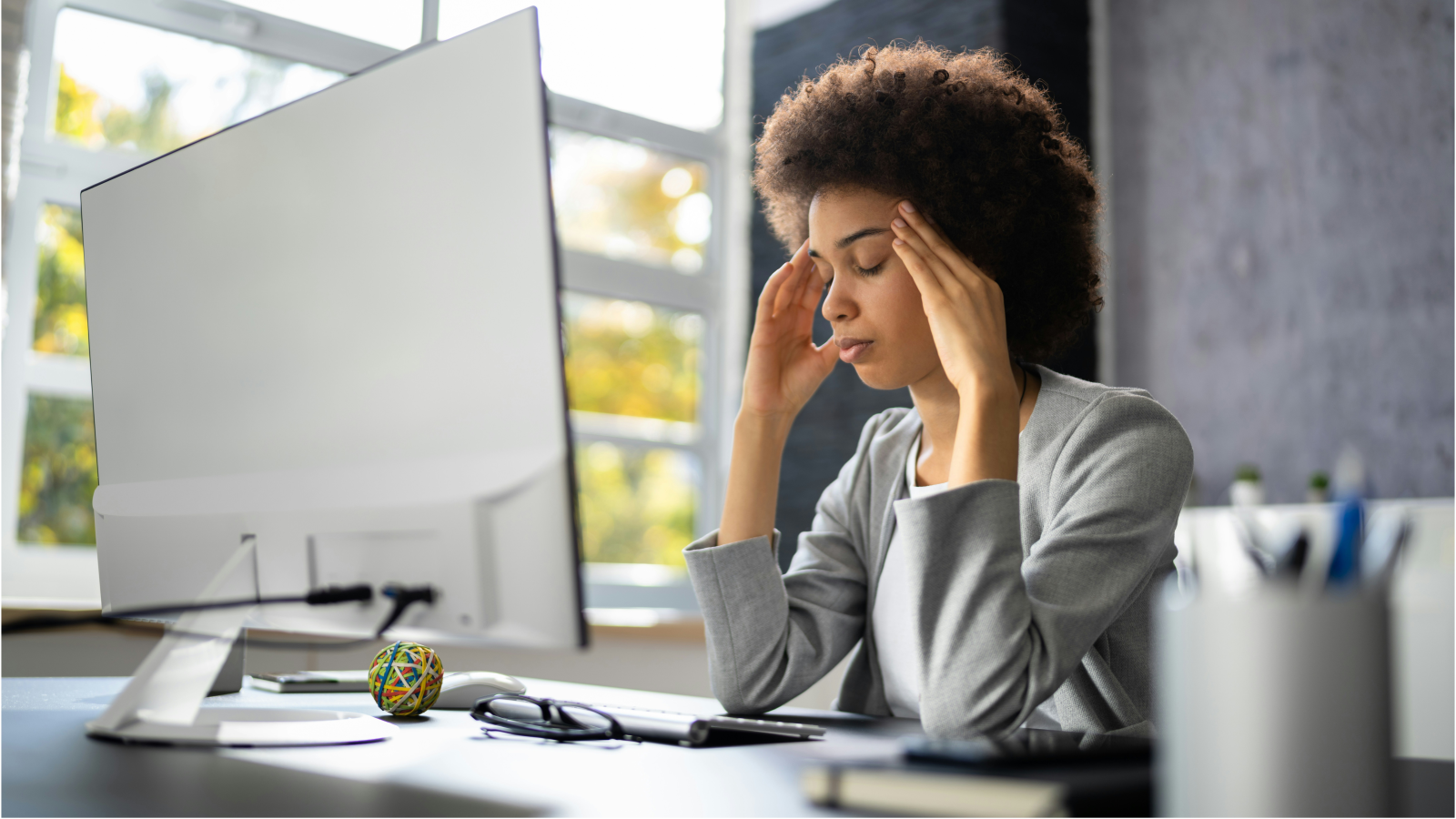
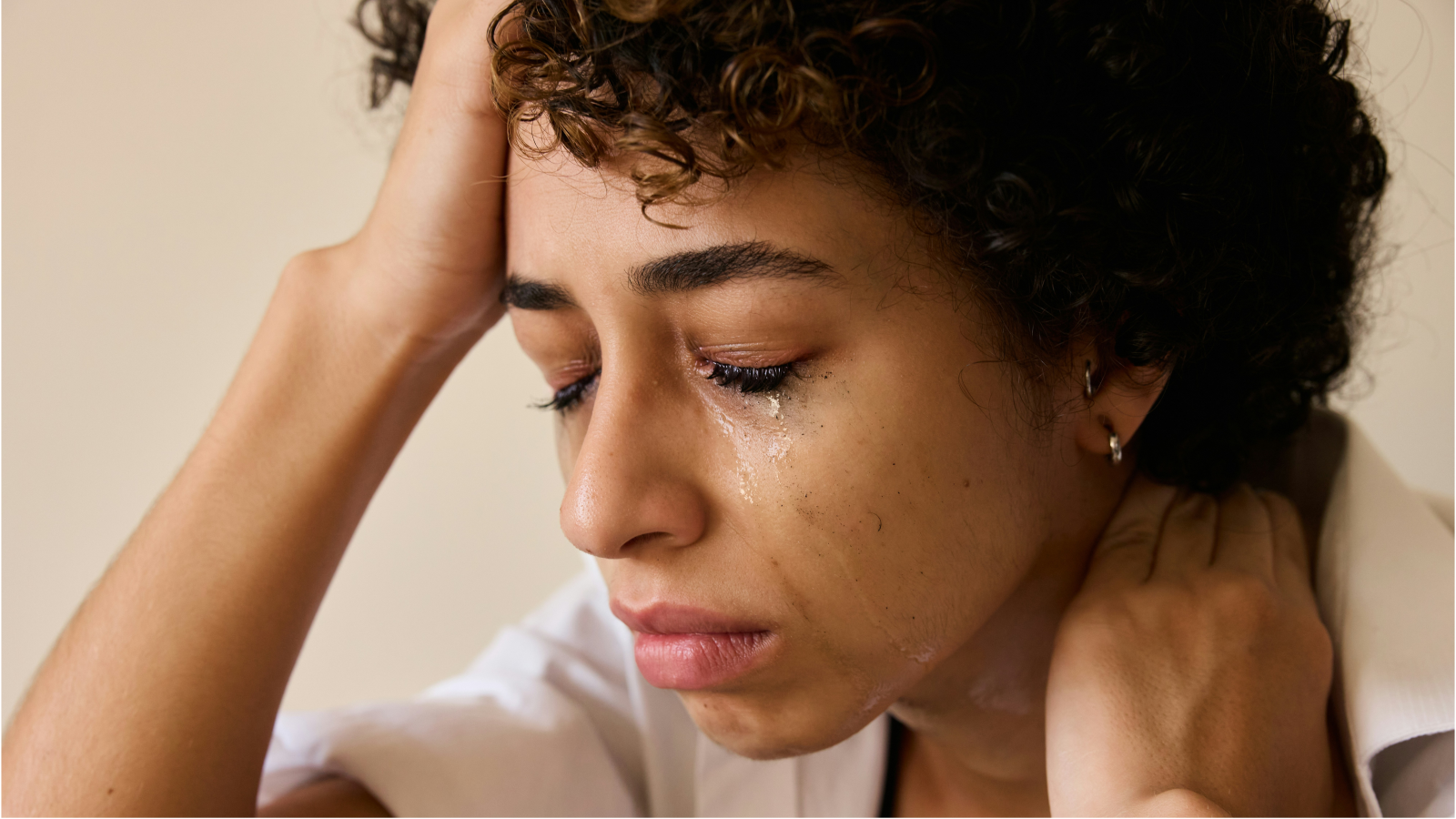
Other days, I woke up heavy. Irritated. Sensitive in ways I couldn’t explain. By the afternoon, I was overwhelmed. By the evening, I was crying, withdrawing, or questioning everything about my life.
And the hardest part?
It didn’t make sense.
Nothing in my life had changed enough to explain how drastically I felt.
So I did what many of us do—I internalized it.
The Moment I Started Paying Attention
It wasn’t a breakthrough. It was quiet.
One day, scrolling through my calendar, I noticed something small: I had marked the first day of my last period.
Then I looked at the days before it.
That’s when something clicked.
The emotional spiral I had just gone through? It happened right before.
So I checked again the next month.
Same pattern.
PMDD symptoms occur during the luteal phase of the menstrual cycle—the days leading up to menstruation—and typically improve within a few days after the period begins.
What felt random started to look familiar.
What PMDD Can Actually Feel Like
Before I understood PMDD, I thought premenstrual symptoms were supposed to be manageable—annoying, maybe, but not life-disrupting.
This was different.
It felt like:
- Sudden sadness that didn’t match my circumstances
- Irritability that strained relationships
- Anxiety that made small tasks feel impossible
- A sense of disconnection from myself
Then, just as quickly, it would lift.
PMDD is a severe form of premenstrual syndrome that includes significant mood disturbances such as depression, anxiety, and irritability.
And I would go back to feeling like myself—confused about what had just happened.
Why So Many People Miss the Pattern
For a long time, I didn’t connect my mental health to my cycle.
No one had ever told me to.
We’re taught to track our periods for timing—not for understanding how we feel.
Many individuals with PMDD go undiagnosed for years because symptoms are mistaken for general mood disorders or typical PMS.
So instead of recognizing a pattern, I questioned my stability.
I tried to fix it in isolation—thinking it was something I needed to “get under control.”
What Changed When I Started Tracking
Tracking didn’t fix everything overnight—but it gave me something I didn’t have before:
Context.
I started noting:
- My mood each day
- When I felt most overwhelmed
- When I started to feel better again
Over time, a pattern became clear.
Tracking symptoms across at least two menstrual cycles is a key step in identifying and diagnosing PMDD.
It wasn’t that I was “losing my mind.”
My body was moving through a cycle—and my brain was responding to it in a specific way.
That realization shifted everything.
Why Hormonal Mental Health Deserves More Attention
Understanding the connection between hormones and mental health isn’t just helpful—it’s necessary.
Hormonal fluctuations, particularly changes in estrogen and progesterone, can influence neurotransmitters like serotonin, which regulate mood.
When we don’t recognize that connection, we risk:
- Mislabeling ourselves
- Missing opportunities for support
- Carrying unnecessary shame
For Black women, especially, where conversations around mental health can already feel limited or stigmatized, this awareness can be transformative.
Key Takeaways
- Emotional distress that feels cyclical may be connected to your menstrual cycle
- PMDD is a real, diagnosable condition—not a personal failing
- Tracking your cycle can reveal patterns that aren’t obvious day-to-day
- Many people go years without recognizing PMDD due to lack of awareness
- Understanding your body can help you move from confusion to clarity
What to Do Next
- Start simple tracking
Use a notes app, calendar, or journal to log your mood daily. - Look for patterns over time
Focus on when symptoms start and when they improve. - Be honest about severity
Notice how symptoms affect your relationships, work, and well-being. - Give yourself context, not criticism
Understanding your cycle can reduce self-blame. - Consider professional support
A provider can help you explore whether your symptoms align with PMDD.
Questions to Ask Your Provider
- Could my symptoms be related to PMDD or hormonal changes?
- How should I track my symptoms to support diagnosis?
- What are my options for managing PMDD symptoms?
- How do hormones affect mood and mental health?
- What types of support—medical or therapeutic—might help me?
Medical Disclaimer
This article is for educational purposes only and does not replace medical advice, diagnosis, or treatment. Always consult a qualified healthcare provider with questions about your health. Find a provider on Health in Her HUE
Explore the full series below:
- On Wednesday I Was Fine. By Thursday I Wanted to Die.
A powerful introduction to how sudden emotional shifts before your period may be more than “just hormones.” - Why We Dismiss Women’s Pain as “Just Hormones”
A closer look at the cultural and medical bias that leads many women to question their own symptoms. - PMDD vs. PMS: What’s Actually Happening in Your Body
A clear, science-backed breakdown of the differences between PMS and PMDD.
Author
Content Team